
Driftwood and Branches: Cleaning Before They Go In

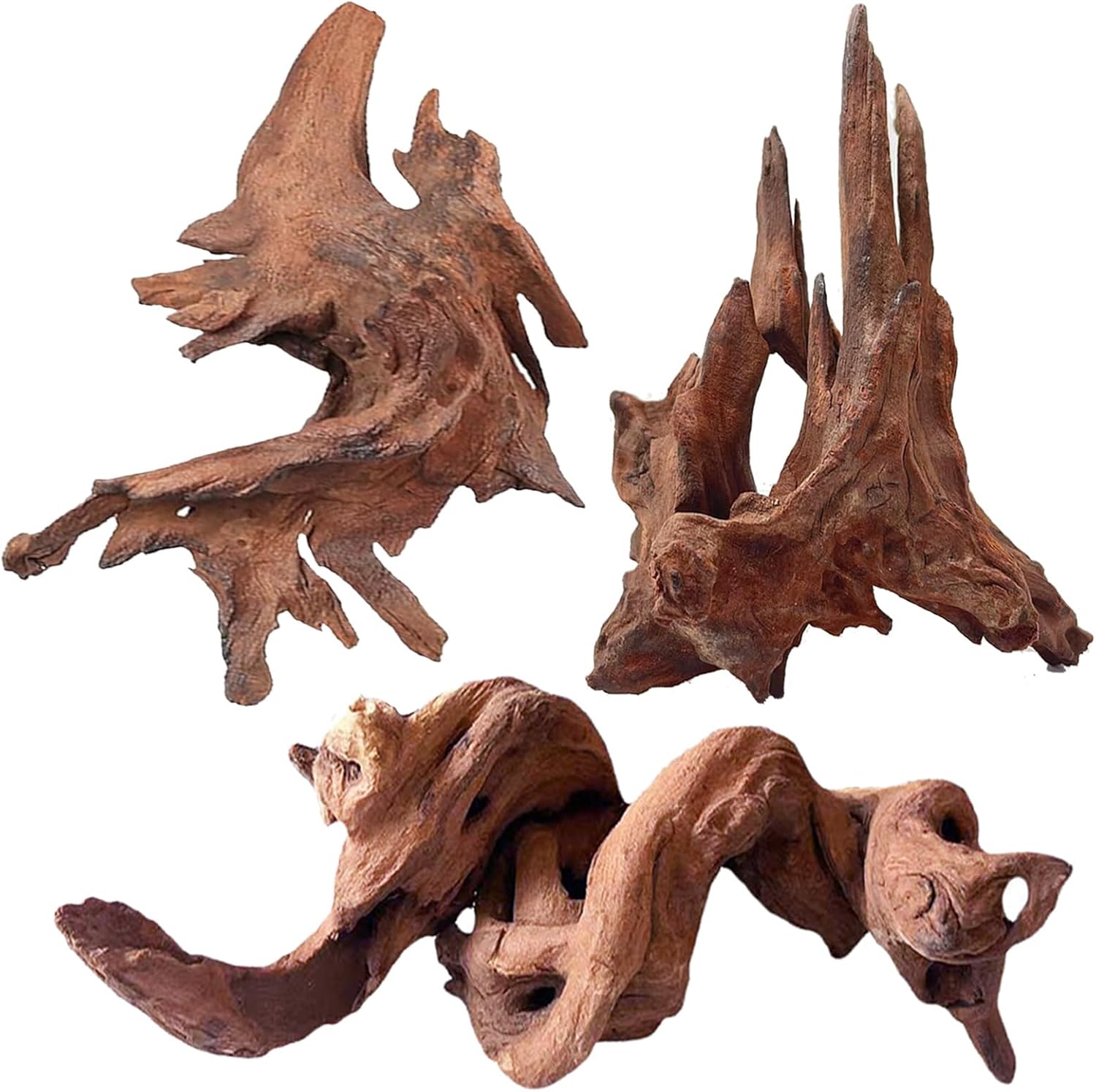
Wood adds climbing, shade and enrichment. It also arrives with whatever it has been living with, so preparation matters.
Scrub first
Start with a stiff brush and hot water — no detergent. Detergent soaks into porous wood and is difficult to rinse out completely. Physical removal of loose bark and dirt does most of the work.
Then heat
Baking or a long soak in very hot water is the usual next step to deal with anything living in the grain. Wood needs to dry thoroughly afterwards; a piece that goes in damp will grow mould in a warm enclosure within days.
Check the species and the shape
Not every wood is suitable, and resinous woods in particular are avoided. Beyond the species, look at the shape: sharp broken stubs and splinters are an injury risk, and a branch too thin for the animal’s grip will not get used.
Secure it
A branch that shifts under weight is worse than no branch. Wedge or fix it so it cannot roll, and make sure it cannot fall against glass or a heat source if the animal leans on it.