
How Long to Keep Documents — and What You Can Shred

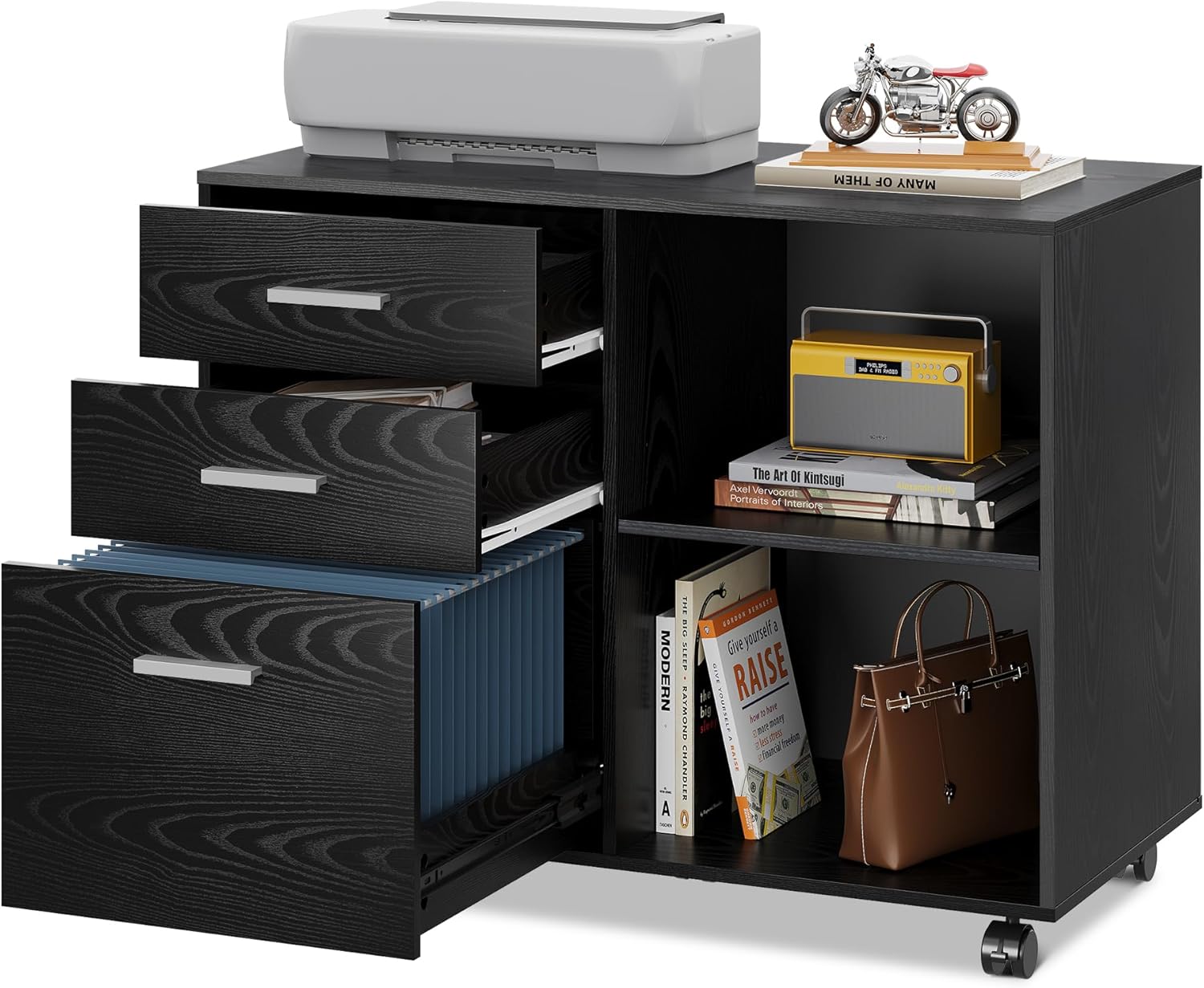
Half the reason filing cabinets overflow is that nothing ever leaves them. A simple retention rule keeps a two-drawer unit sufficient for years.
Keep Permanently
Identity and title documents: property papers, share certificates, education certificates, birth and marriage records, nomination forms. These never get shredded and belong in the locked drawer.
Keep Several Years
Tax records and their supporting proofs, loan statements until closure plus the no-dues letter, and insurance policies for the life of the cover. Give each financial year its own folder and the sorting takes care of itself.
Keep One Year
Utility bills, bank and card statements you have already reconciled, and delivery paperwork for items still under a return or replacement window.
Shred Sooner Than You Think
ATM slips once matched to the statement, expired offers carrying your address, and duplicate copies you printed “just in case”. Anything with an account number goes through the shredder rather than the bin.
Scan, But Do Not Rely On It Alone
A scan is a convenience copy. Originals of anything that proves ownership stay physical, dry and locked.
Make It a Calendar Event
One afternoon a year, right after you file your returns: pull the oldest folder, shred what has aged out, move the rest down a drawer. The cabinet you bought stays the cabinet you need.
Why It Matters
Storage is only useful while you can find things in it. Retention rules are what keep a filing system from becoming a paper cupboard.